cat guardians and companions
Cats were often the unsung heroes of American history!
History often focuses on the "war dogs," but today we’re honoring the stealthy, whiskered guardians who served in the American Revolution and the War of 1812.
During the brutal winter stay at Valley Forge, George Washington’s troops faced threats as deadly as the British Army: starvation and disease. Rodents were ravaging the Continental Army's dwindling food supply. Washington, who valued cats as much as his hounds, stationed felines at headquarters and supply huts. They were the only effective defense against the pests threatening to eat the army’s meager rations.
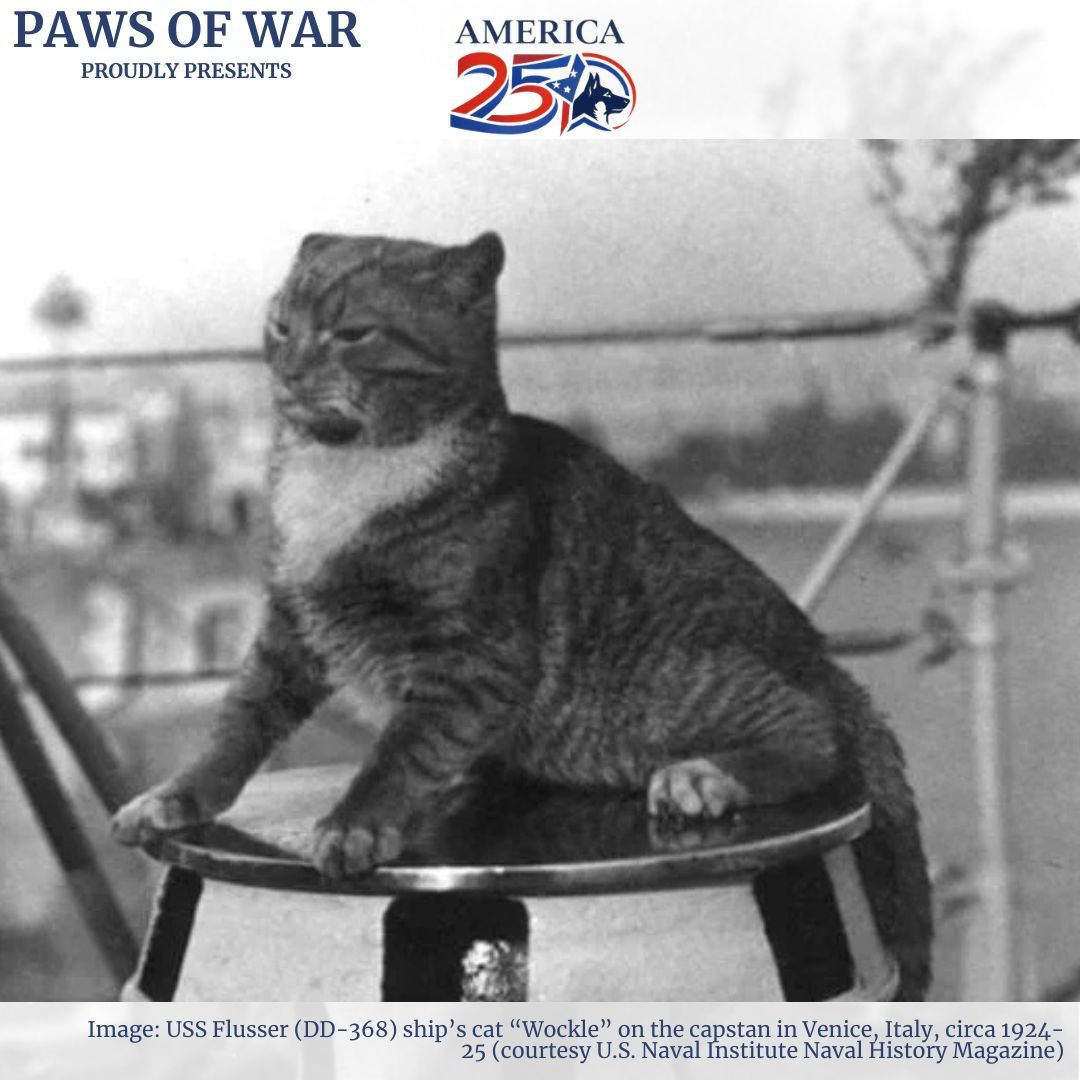
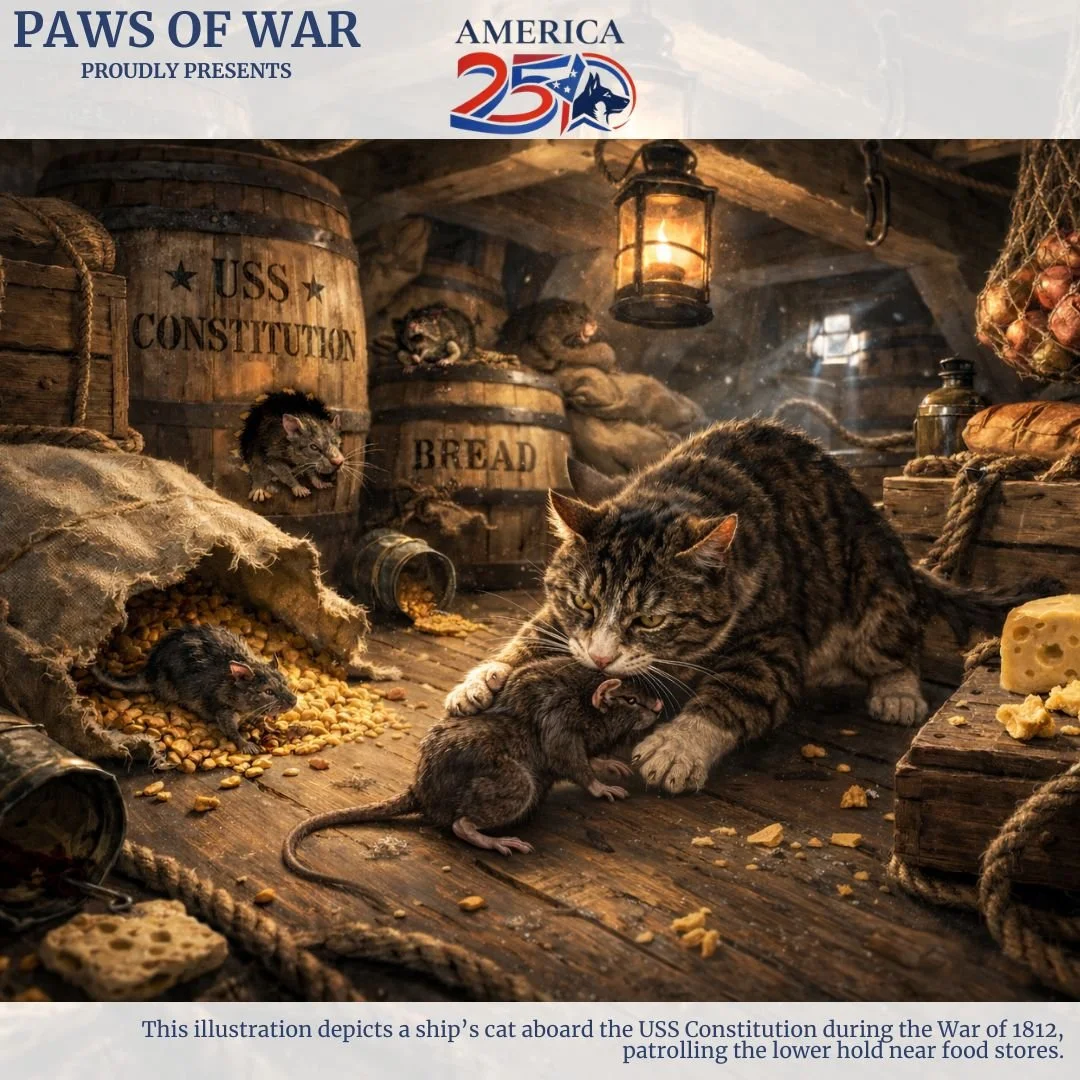
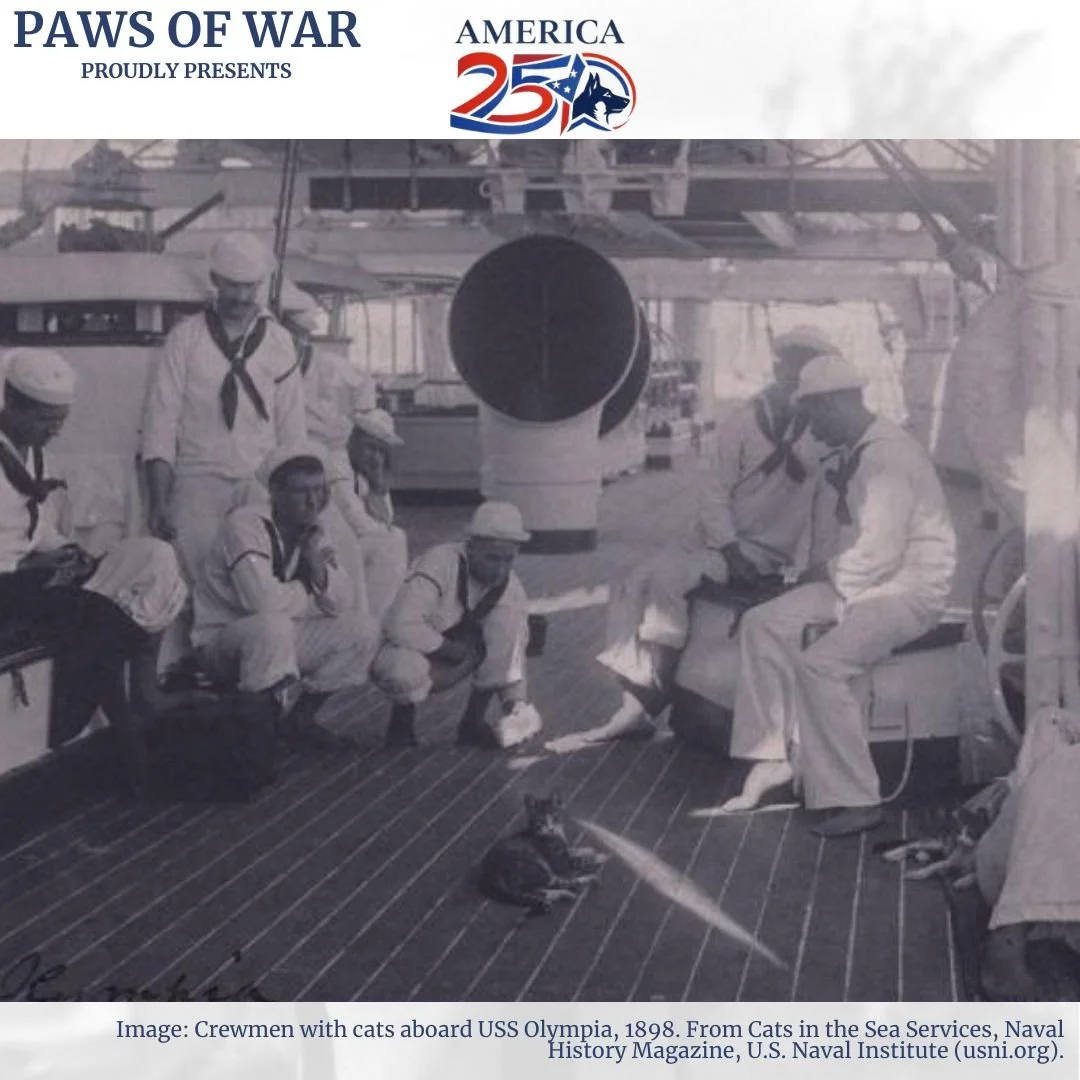
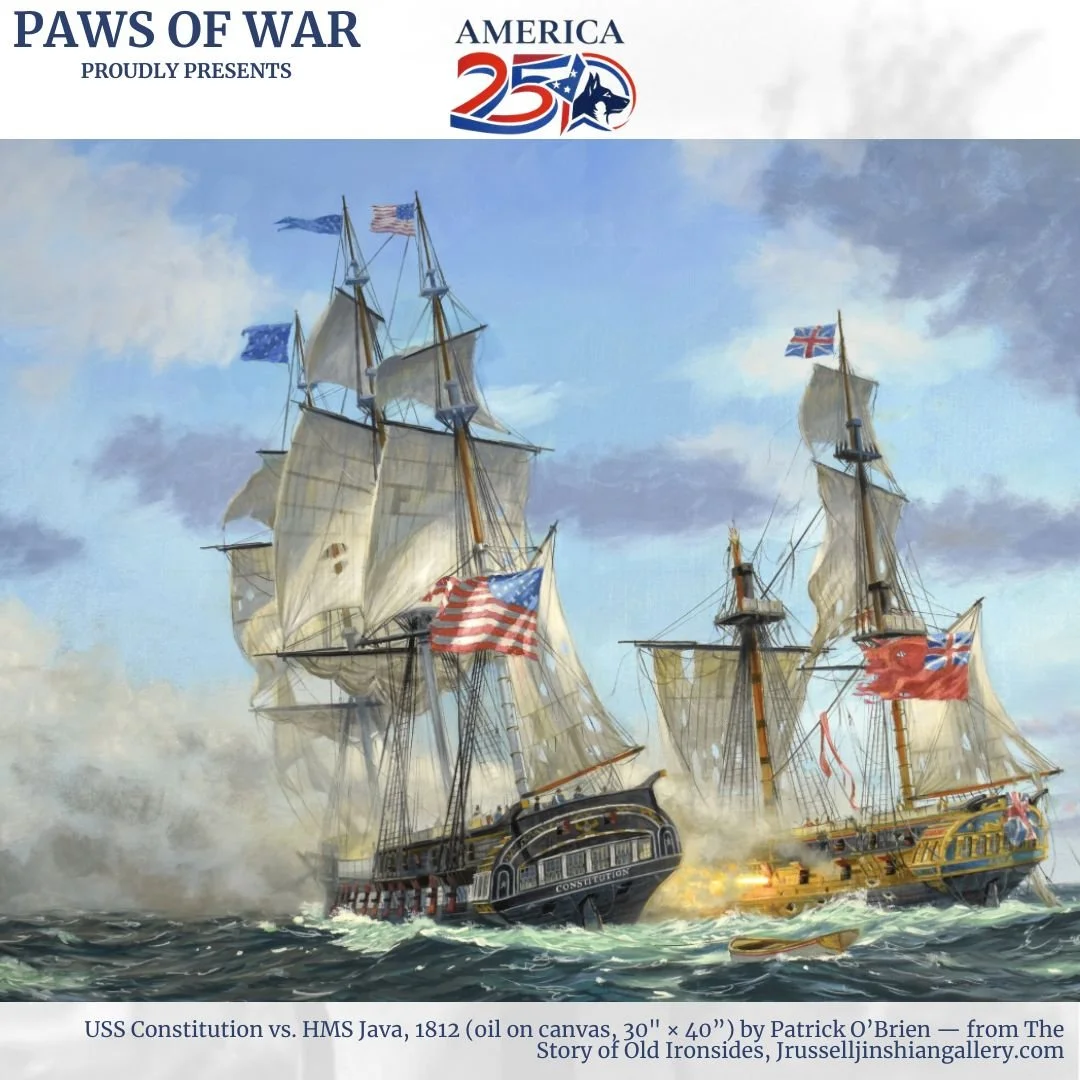
By the War of 1812, cats weren't just pets, they were considered, unofficially, to be crew. A single pair of rats could destroy a ship's rations in weeks and spread typhoid. One cat could neutralize both. Frigates like the USS Constitution had "cat-holes" cut at the bottom of cabin doors so feline defenders could roam freely to hunt.
Unwritten rules of that war dictated that if a ship was abandoned, its cats should be saved. Captured "ship’s pets" were often the only prisoners treated with kindness by both sides. The bond between service members and cats is timeless. Today, our troops stationed overseas find comfort, morale, and companionship in local cats they’ve fed and sheltered.
Just as sailors once made sure their ship’s cats were never left behind, we carry that tradition forward today. When our service members return home, Paws of War ensures the cats who stood beside them overseas come home too.